Spill Containment for Emergency Generators
- By Dan Carver
- Dec 6, 2023

Emergency generators are critical for keeping facilities running during power outages, but they also bring unique risks. Because they operate on fuels such as diesel, gasoline, or oil, even a minor leak can contaminate soil, pollute water, and create fire hazards.
While the EPA does not classify generators the same way it does bulk storage containers, facilities are still responsible for preventing spills and complying with spill prevention guidelines. We’ll explain the requirements, best practices, and common methods for secondary containment around emergency generators, so your team can stay compliant, protect the environment, and avoid costly fines.
Generator Spill Containment Requirements
Generators may be a safety net during emergencies, but they can also create significant hazards if not properly contained. Let’s explore how the SPCC applies to emergency generators, the spill requirements for those generators, and best practices to keep oil and fuel contained.SPCC Applicability for Generators
The EPA’s (SPCC) Rule was created to protect U.S. waterways from oil spills. While the EPA does not classify generators as bulk storage containers, facilities that use them may still fall under SPCC requirements depending on the total amount of oil stored on-site.- Thresholds for coverage: Facilities with 1,320 gallons or more of aboveground storage or 42,000 gallons of underground storage are subject to SPCC requirements.
- How generators fit in: Even though a single generator may not meet those thresholds, multiple generators plus additional oil storage tanks can push a facility into SPCC applicability.
- SPCC plan requirements: Facilities meeting thresholds must maintain a written SPCC plan, updated every three years, that outlines how spills will be prevented and contained.
- Best practice approach: Even if not technically required, using containment berms around generators demonstrates compliance readiness and helps avoid regulatory scrutiny.
Secondary Containment Requirements for Generators
Secondary containment refers to any structure or device that captures spills and prevents hazardous materials from leaving a designated area. For generators, this usually means a spill containment berm designed to hold leaking fuel, oil, or refueling runoff.- Capacity standards: EPA guidelines generally require containment that can hold 110% of the largest single container or 10% of the total volume of all containers, whichever is greater.
- Structural integrity: Containment must be free of cracks or gaps and be capable of holding liquid until cleanup occurs.
- Weather factors: Systems must be designed to manage precipitation so rainwater doesn’t reduce containment effectiveness.
- Generator-specific considerations: Containment needs to accommodate vibration, frequent fueling, and sometimes mobile placement.
Best Practices for Generator Spill Containment
To minimize risks and maintain compliance, facilities that house emergency generators should follow these best practices:- Proper placement and site layout: Keep generators in berms or on lined surfaces that prevent spills from spreading.
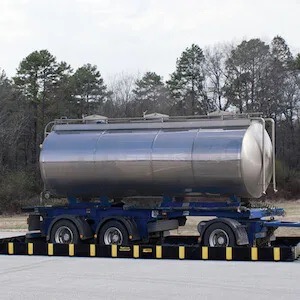
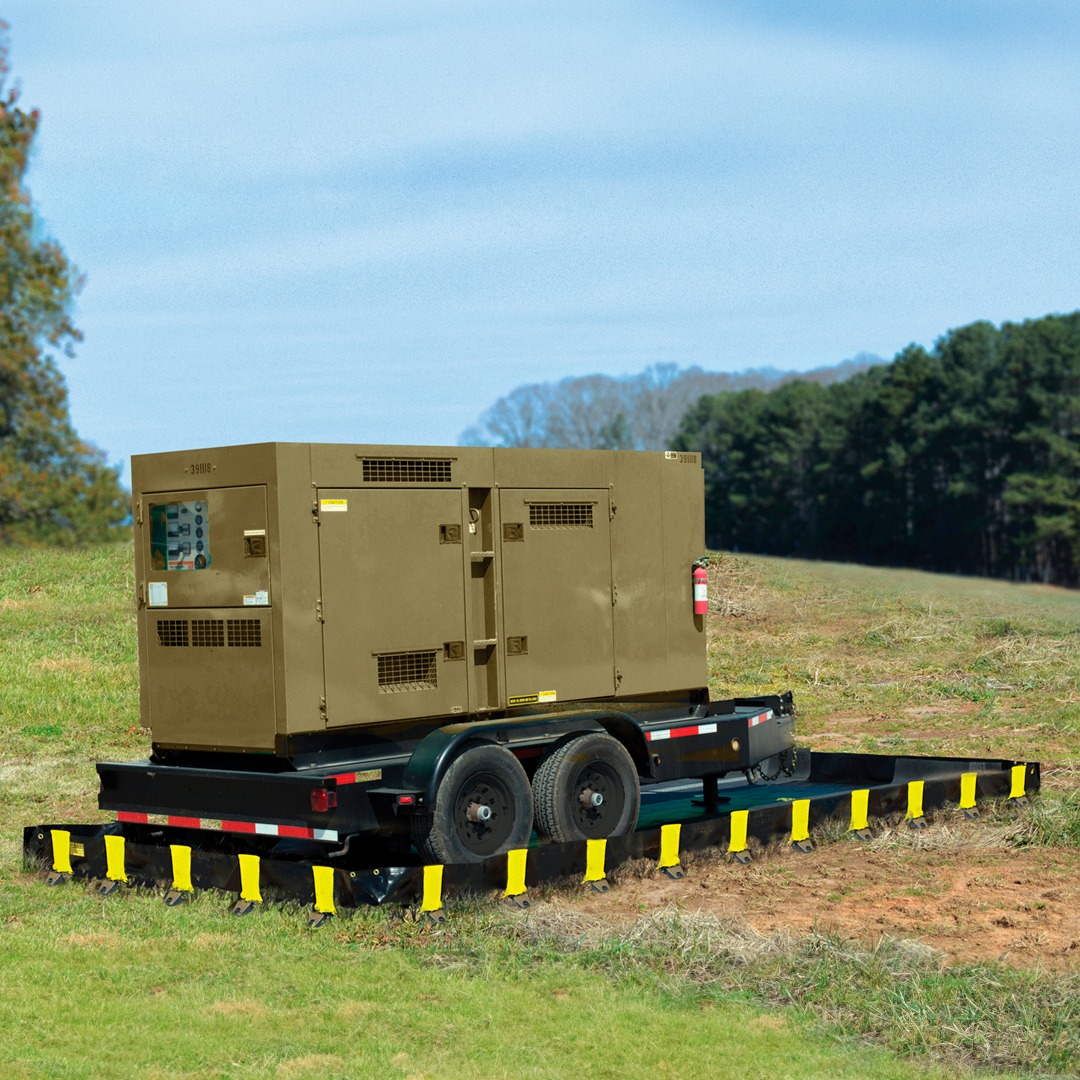
- Use of containment berms: Deploy portable or drive-over berms sized to the generator for practical secondary containment.
- Routine inspections: Regularly inspect generators, fuel lines, and containment berms for signs of wear, leaks, or damage.
- Safe fueling procedures: Train staff to follow proper refueling practices and use spill mats during transfers.
- Emergency readiness: Keep spill kits and cleanup supplies accessible near generators. Document and rehearse response protocols.