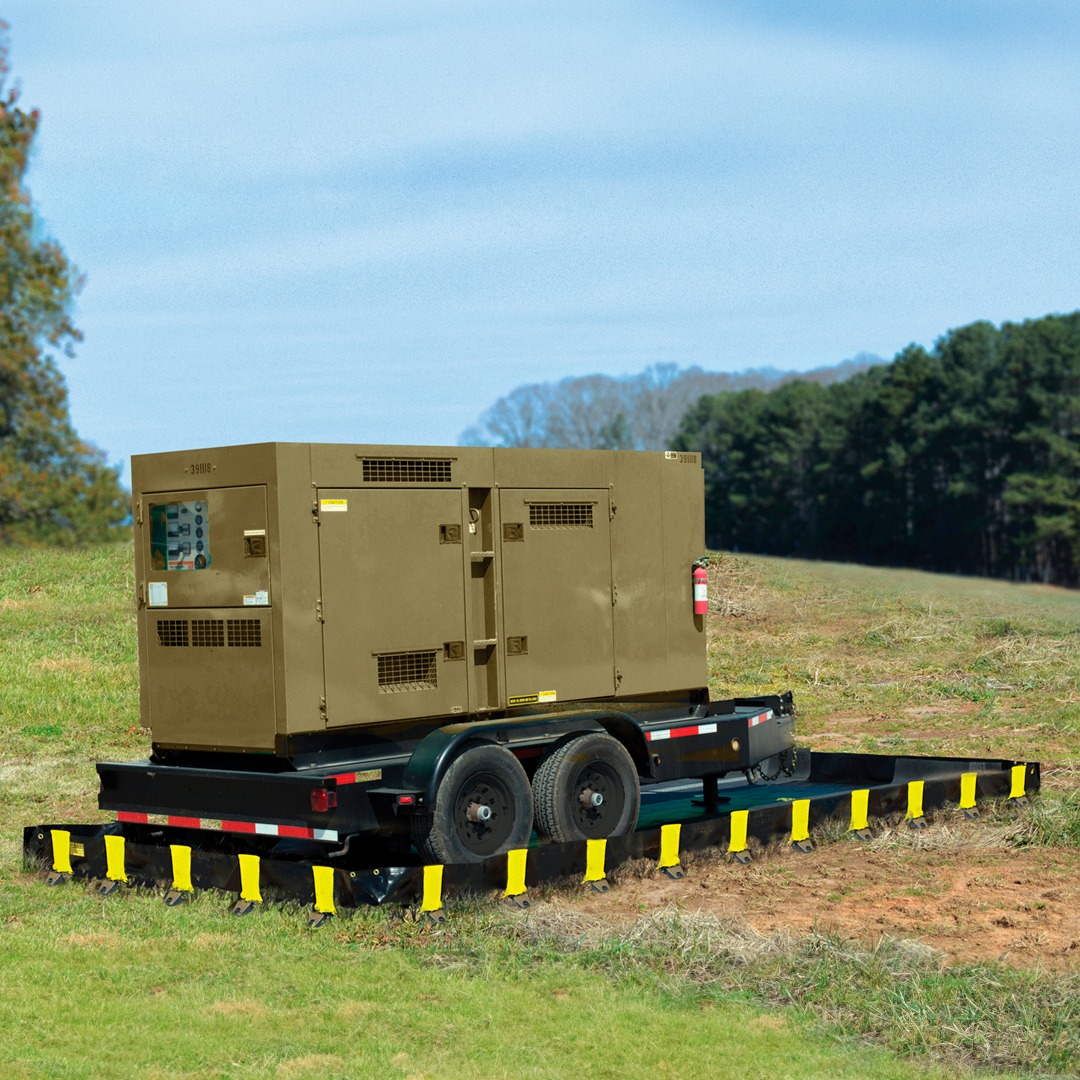
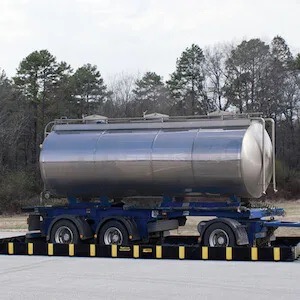
Flexible spill containment berms offer equipment rental companies a practical way to
increase profitability while reducing risk. When added to a rental fleet, berms create a
high-margin accessory rental, support environmental compliance, and help customers
prevent costly spills on the jobsite. With low acquisition costs, strong utilization potential,
and long service life, flexible spill containment delivers measurable ROI while
strengthening customer relationships and expanding market opportunities.
Secondary containment requirements are regulated by Spill Prevention Control and Countermeasures (SPCC) rules. SPCC applies to facilities with a total aboveground oil storage capacity of greater than 1,320 U.S. gallons or 42,000 U.S. gallons of buried storage capacity. When making a site capacity assessment, include every container of 55 U.S. gallons or more.
Oil tank farms are required to follow rules and regulations to avoid fuel leaks and discharges that can lead to potentially destructive fires or contaminate waterways. Secondary containment solutions can ensure your oil tank farm meets safety requirements and saves money in cleanup costs.
When disaster strikes—whether it’s a flood, industrial accident, or natural catastrophe—the last thing you need is a hazardous spill making things worse. From oil and chemical leaks to fuel spills, the risks multiply quickly, posing threats to the environment, public health, and operational stability.
Agent-X is made of two layers of a geotextile fabric with Oil Solidifying Polymers embedded between the layers. This hybrid creates a filtration fabric that encapsulates hydrocarbons and forces them to unsaturated areas of the geotextile fabric. Agent-X is hydrophobic, which allows water to pass through it, and is oleophilic to solidify hydrocarbons upon contact.
If improperly stored, these chemicals can potentially damage assets or injure personnel. Secondary containment and spill control equipment can provide agricultural facilities with the containment measures they need to protect workers and comply with regulatory guidelines.
Because berms are typically designed to perform in particular working contexts, it’s important to consider design differences before selecting a berm. One design feature that affects both spill capacity and performance is the size of a berm’s wall.
According to an overview of clean energy from the U.S. Department of Energy, green and renewable energy industries are expected to continue to grow over the course of the next several years. Green energy facilities are subject to the same EPA and SPCC requirements as traditional energy operations.
Oil solidifying polymers are an innovative and environmentally friendly alternative to traditional oil spill clean-up methods. Oil solidifying polymers from Basic Concepts are designed to bond with a broad spectrum of hydrocarbons ranging from low-end gasoline to heavy crude oil.
Dan/Moderator: Alright, everybody looks like we've got the majority of the group coming in. And we'll probably receive a few more folks coming in, but we'll go ahead and get started. Good morning, and thanks for joining the BCI webinar series. My name is Dan Gray. I'm the Director of Sales for BCI. We'll be moderating today. And today's topic for our webinar series is “Difficult Penetrations and Secondary Containment Areas”. So, today we're going to discuss methods for sealing and working around difficult penetrations on secondary containment areas and systems.