This website uses cookies. By continuing to browse this site you are agreeing to our use of cookies. Please review our Privacy Policy for more information.


Drip Pads Contain Hazardous Waste and Eliminate Concrete Staining
Spills and leaks of oils, chemicals, and other hazardous liquids pose significant risks to both the environment and workplace safety. Whether it's a minor drip from a vehicle or a larger industrial spill, the potential for contamination and accidents is ever-present. Drip pads help contain hazardous waste and eliminate concrete staining. They are designed to capture small oil leaks that are common from vehicles before they contaminate the ground or create unsafe work surfaces.
Drip pads are versatile containment solutions designed to capture and contain those unwanted leaks, preventing them from seeping into the ground, staining surfaces, and creating hazardous conditions. By providing a reliable barrier against spills, drip pads play a crucial role in maintaining environmental compliance, protecting valuable assets, and ensuring a safe working environment across a wide range of industries, from automotive and manufacturing to construction and beyond.
Why Drip Pads are Important for Hazardous Waste Containment
A drip pad can be the first line of defense in containing oil, chemicals or other hazardous waste as it can capture small leaks before they contaminate the ground or create an unsafe work surface while ensuring environmental compliance.
Many effective oil drip pads are designed from UV and chemical resistant, modified PVC. They can consist of oil-only sorbents within a leak-proof barrier, as opposed to pads designed to absorb water or other materials. (These are not to be mistaken for concrete drip pads that are engineered structures designed to convey excess drippage or precipitation to an associated collection system.)
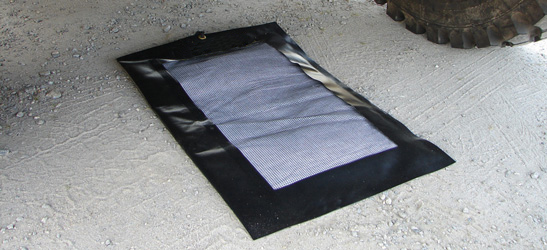
Weighted oil drip pads can serve as part of portable containment systems for equipment and machinery. Drip pads can be positioned and anchored under engines, leaky valves and other areas prone to leaks. Different sized drip pads can accommodate larger or smaller leaks.
Why Use Drip Pads?
Sorbent drip pads can ensure that a military installation is in compliance with regulations and minimize the impact of an oil or fuel spill on the surrounding environment.
According to the EPA, an oil spill may represent a threat to public health based on the size and nature of the oil discharge and its proximity to human populations and sensitive environments.
The EPA regulation for Spill Prevention, Control and Countermeasure (SPCC) includes a requirement for general secondary containment, including sorbent materials or drip pans, for mobile refuelers, tanker trucks and locations where oil is transferred to and from containers. Containment can also be required for oil-filled electrical or operating equipment such as lubricating systems or transformers.
Oil stains can cause damage and disruptions to a workspace. Standing oil from a leak or spill can increase the risk that a worker will slip and fall or otherwise be injured on the job. Oil spills can also leave unsightly stains on concrete or other surfaces, which must be removed if the surface needs a fresh coating or sealant.
In addition, deep oil spots on asphalt can cause the material to become softer and more prone to damage over time.
Oil spills and stains should be removed from concrete or another surface as quickly as possible. Drip pads can limit or prevent spilled oil from contacting the surface.
Which Drip Pads Are Best for the Military?
Facilities that contain or use oil in large quantities should stock oil spill kits for cleanup. Spill kits serve as a form of containment for facilities that must comply with SPCC regulations for oil or hazardous waste. Oil spill kits generally contain absorbent pads and mats, protective clothing, waste-handling bags and other items useful for cleaning up the spilled area.
As an example of a military policy regarding oil spills, the U.S. Army’s policy is to prevent spills or oil and other hazardous substances and to respond rapidly when spills occur.
Military spill kit requirements for maintenance facilities include universal absorbent pads, while the recommended spill kit inventory for field exercises includes synthetic polyethylene absorbent pads and biodegradable cotton absorbent pads. According to the requirements, during cleanup absorbent pads and rags must be placed in clear, durable trash bags for proper disposal.

Containment equipment such as drip pads or pans can be required for oil leaks designated as Class III, which involves formation of drips that fall to the ground.
How Drip Pads Are Used for Military Applications
Military installations with hangars, garages, or maintenance facilities often must accommodate a large concentration of vehicles and other equipment, which can be subject to oil and fuel leaks over time. One U.S. Army base in Seoul, Korea, saw 84 oil leaks between 1990 and 2015, including seven leaks of more than 1,000 gallons of oil apiece.
The best oil drip pads for military installations can be used quickly and effectively to ensure compliance with environmental regulations while containing fuel spills and other hazardous materials. Hazardous waste drip pads designed for durability can withstand the wear and tear of military applications while ensuring that a facility lives up to the most discerning standards of cleanliness and efficiency.
These drip pads feature replaceable, oil-only sorbent within a welded leak-proof barrier, making them a reliable oil absorbent solution for spill containment. Rated for drive-over applications, pads include brass grommets in opposing corners for anchoring. Anchoring stakes are not included. Pads come in two sizes; the extended model is weighted to stay in place even in high winds. The outer shell is reusable with optional refill sorbent packs, helping comply with EPA and SPCC regulations.
Get the Right Drip Pads for Your Needs
Ready to find the perfect drip pad solution for you? Basic Concepts drip pads, made from durable UV and chemical-resistant modified PVC, are available in a variety of sizes. Contact us today for a personalized consultation and to discuss your unique requirements.
Military installations with hangars, garages or maintenance facilities often must accommodate a large concentration of vehicles and other equipment, which can be subject to oil and fuel leaks over time. One U.S. Army base in Seoul, Korea, saw 84 oil leaks between 1990 and 2015, including seven leaks of more than 1,000 gallons of oil apiece.
Drip Pads for Hazardous Waste Containment
A drip pad can be the first line of defense in containing oil, chemicals or other hazardous waste as it can capture small leaks before they contaminate the ground or create an unsafe work surface while ensuring environmental compliance.
Many effective oil drip pads are designed from UV and chemical resistant, modified PVC. They can consist of oil-only sorbents within a leak-proof barrier, as opposed to pads designed to absorb water or other materials. (These are not to be mistaken for concrete drip pads that are engineered structures designed to convey excess drippage or precipitation to an associated collection system.)
Weighted oil drip pads can serve as part of portable containment systems for equipment and machinery. Drip pads can be positioned and anchored under engines, leaky valves and other areas prone to leaks. Different sized drip pads can accommodate larger or smaller leaks.
Why Use Drip Pads?
Sorbent drip pads can ensure that a military installation is in compliance with regulations and minimize the impact of an oil or fuel spill on the surrounding environment.
According to the EPA, an oil spill may represent a threat to public health based on the size and nature of the oil discharge and its proximity to human populations and sensitive environments.
 The EPA regulation for Spill Prevention, Control and Countermeasure (SPCC) includes a requirement for general secondary containment, including sorbent materials or drip pans, for mobile refuelers, tanker trucks and locations where oil is transferred to and from containers. Containment can also be required for oil-filled electrical or operating equipment such as lubricating systems or transformers.
Oil stains can cause damage and disruptions to a workspace. Standing oil from a leak or spill can increase the risk that a worker will slip and fall or otherwise be injured on the job. Oil spills can also leave unsightly stains on concrete or other surfaces, which must be removed if the surface needs a fresh coating or sealant.
In addition, deep oil spots on asphalt can cause the material to become softer and more prone to damage over time.
Oil spills and stains should be removed from concrete or another surface as quickly as possible. Drip pads can limit or prevent spilled oil from contacting the surface.
Which Drip Pads Are Best for the Military?
Facilities that contain or use oil in large quantities should stock oil spill kits for cleanup. Spill kits serve as a form of containment for facilities that must comply with SPCC regulations for oil or hazardous waste. Oil spill kits generally contain absorbent pads and mats, protective clothing, waste-handling bags and other items useful for cleaning up the spilled area.
 As an example of a military policy regarding oil spills, the U.S. Army’s policy is to prevent spills or oil and other hazardous substances and to respond rapidly when spills occur.
Military spill kit requirements for maintenance facilities include universal absorbent pads, while the recommended spill kit inventory for field exercises includes synthetic polyethylene absorbent pads and biodegradable cotton absorbent pads. According to the requirements, during cleanup absorbent pads and rags must be placed in clear, durable trash bags for proper disposal.
Containment equipment such as drip pads or pans can be required for oil leaks designated as Class III, which involves formation of drips that fall to the ground.
Basic Concepts for Military Use
The best oil drip pads for military installations can be used quickly and effectively to ensure compliance with environmental regulations while containing fuel spills and other hazardous materials. Hazardous waste drip pads designed for durability can withstand the wear and tear of military applications while ensuring that a facility lives up to the most discerning standards of cleanliness and efficiency.
These drip pads feature replaceable, oil-only sorbent within a welded leak-proof barrier. Rated for drive-over applications, pads include brass grommets in opposing corners for anchoring. Anchoring stakes not included. Pads come in two sizes; extended model is weighted to keep it down in high winds. Outer shell is reusable with optional refill sorbent packs. Helps comply with EPA and SPCC.
Basic Concepts drip pads are made from UV and chemical resistant modified PVC. Available in different sizes to meet user requirements.

Drip Pads FAQs
What are the main types of absorbent pads used in spill containment?
The two main types are oil-only absorbent pads and universal absorbent pads. Oil-only pads are hydrophobic, meaning they absorb oil-based liquids and repel water, making them ideal for oil spills and marine environments. Universal pads, on the other hand, absorb both oil and water-based liquids, suitable for general-purpose spill cleanup.
What factors should I consider when choosing absorbent drip pads?
When choosing absorbent pads, consider the type of liquid you'll be containing (oil, chemical, etc.), the potential spill location (indoor, outdoor, marine), the absorption capacity needed, and the required durability. Matching the pad to the liquid and environment is crucial for effective spill containment.
What are some common mistakes to avoid when using absorbent pads?
Avoid using the wrong pad type for the spill, underestimating the spill size, ignoring environmental factors like temperature or UV exposure, and improper disposal of used pads. Always follow local regulations for disposal, and ensure you have an adequate supply of pads on hand.